


Culture
AI's Melodic Touch
Artificial intelligence is fundamentally reshaping the music industry, revolutionizing both the process of music creation and the way listeners engage with and enjoy music.
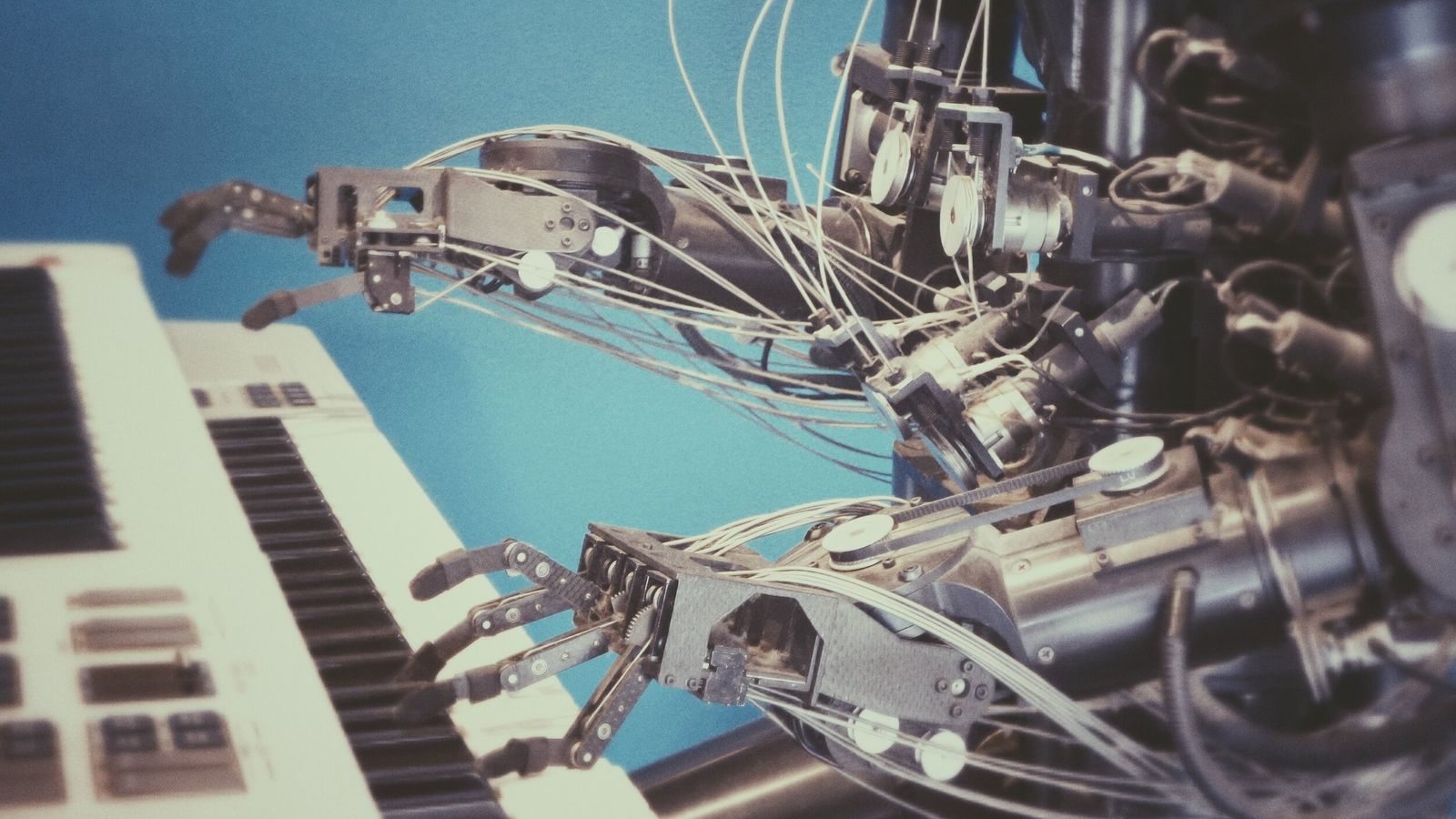
Artificial intelligence (AI) is revolutionizing the music industry, both in the process of music creation and in the way listeners interact with music and derive enjoyment from it.
How AI Shapes Music Creation:
Artificial intelligence is rapidly transforming the way music is created, challenging traditional approaches and opening up new creative possibilities by providing innovative tools. From music generation based on textual cues to revolutionary vocal manipulation and mastering, AI is leaving an indelible mark on the music industry.
One standout development is Udio, an AI tool developed by former researchers at Google DeepMind. This beta-tested program can generate fully mastered tracks in under 40 seconds based on text descriptions provided by users. Users can trigger Udio by writing descriptions of the desired music genre, specifying themes or personalized lyrics, and mentioning inspiring artists. The app provides further customization options with its 'remix' feature, allowing everyday creators to fully become producers.
However, concerns have been raised about the training data used by similar programs like Udio and Suno AI. Questions arise regarding copyright infringement and the devaluation of musical art, especially amid suspicions that these AI systems are trained on copyrighted music.
Another AI-powered platform, Voice-Swap, offers a unique transformation by allowing users to convert their vocal recordings into the voices of iconic artists. Founded by DJ Fresh, Voice-Swap provides a new way for creators to experiment with different vocal styles and preserve the legacies of influential musicians.
In addition to vocal manipulation, AI is revolutionizing other aspects of music production, such as auto-tune technology. The invention of DiffPitcher by researchers at Johns Hopkins University showcases AI's potential to enhance pitch correction with exceptional accuracy and realism.
Third-party plugins like Google's Magenta Studio project and Waves Audio's online mastering service demonstrate how AI is used to generate personalized melodies, drum rhythms, and even professional-quality master tracks. These tools offer users more control and efficiency in their creative processes.
Despite its positive aspects, the integration of AI into music production raises ethical and artistic considerations. According to a survey by Pirate Studios, over half of artists using AI prefer to conceal its use. While more than 25% of the 1,141 artists in the Pirate Studios network have experimented with AI, less than half of them have considered disclosing to listeners that the music was created using AI. This reluctance to disclose AI involvement highlights the ongoing debate over its impact on musical authenticity and creativity.
However, as AI continues to evolve and gain acceptance within the industry, its role in music production will expand. Previous innovations, like Auto-Tune, have eventually become widely adopted tools by artists and listeners alike, reshaping the music production process along the way. While artists navigate the complexities of this technological revolution, one thing is certain: AI's journey in music production has only just begun.
How AI Shapes the Music Listener Experience:
In today's digital age, our consumption of music is undergoing a profound transformation thanks to the integration of artificial intelligence. The days of one-size-fits-all playlists and generic radio stations are behind us. AI algorithms are revolutionizing the listener experience by offering personalized recommendations, carefully curated playlists, and bespoke content, thereby reshaping how we discover and enjoy music.
One pioneering example of AI's impact on the listener experience is the Endel app, which uses artificial intelligence to create personalized soundscapes tailored to users' cognitive goals, timeframes, weather conditions, and even heart rates. Whether users are seeking focus, sleep, or relaxation, Endel provides a unique auditory experience that adapts to their needs and surroundings.
Cosine.club, a new music search engine, takes music discovery to the next level by recommending tracks based on their similarity to other songs in its extensive database. Users can enter a track title and receive multiple results, allowing them to explore music with similar characteristics and genres. Similarly, the Timehri Dig Assistant, developed by the UK-based Timehri record label, leverages machine learning to navigate the depths of Discogs and help users discover electronic records tailored to their preferences.
The impact of AI extends to music listening platforms such as YouTube, Spotify, Apple Music, and Pandora, where machine learning algorithms offer personalized recommendations and carefully curated playlists. The days of content that appeals to everyone are gone, as listeners can now access a wide variety of music tailored to their specific tastes and listening habits.
Spotify's "Discover Weekly" and "Release Radar" playlists exemplify the power of AI to curate personalized playlists that evolve over time based on listeners' preferences. By analyzing listening histories, favorite artists, and genre preferences, Spotify ensures that each user receives new and relevant music options every week.
Dynamic mood-based playlists created by Moodagent adapt to listeners' current moods or activities, providing a customized music list for every situation. Pandora's "Music Genome Project" uses AI to recommend new artists and songs by deeply understanding each listener's unique musical traits and preferences.
Amazon Music Unlimited uses AI-powered recommendation engines to suggest music based on individual listening histories, preferences, and behaviors. By analyzing data from millions of users, Amazon Music accurately predicts which music each user might enjoy, enhancing the overall listening experience.
Contextual listening experiences offered by platforms like Sonos and Google Home use AI to personalize music selections based on listeners' contexts such as time of day, location, and activity. Whether it's a "Morning Commute" playlist during rush hour or "Relaxing Evening" tunes at home, these platforms create interactive listening experiences that enhance the music listening experience.
As AI's capabilities continue to evolve and expand, the listener experience will undoubtedly undergo further transformation, offering worldwide audiences more personalized, immersive, and effective music experiences.